
Subscribe by Email

Your email:

Free 5 Step Guide

What makes a good sign?

what makes a great sign

Vehicle Graphics Guide


describe the image

Lobby Signs Guide

Lobby signs epaper

Carved signs Guide

describe the image

Our Blog - A look into our world

Current Articles | RSS Feed RSS Feed

Carve out a niche for your business with a carved sign


carved signs, painted signs, carved and painted signs

A business must always find new and creative ways to set itself apart from its competitors. You could choose pricing, specialty services or a niche product only you offer. Another way to set yourself apart from the competition is through creative signage, such as carved signs. 

Carved signs and colonial wooden signs help a business stand out from the crowd, show a unique side to a business, and help businesses in colonial towns or business districts fit in. They are also elegant, durable and timeless. 

Standing Out
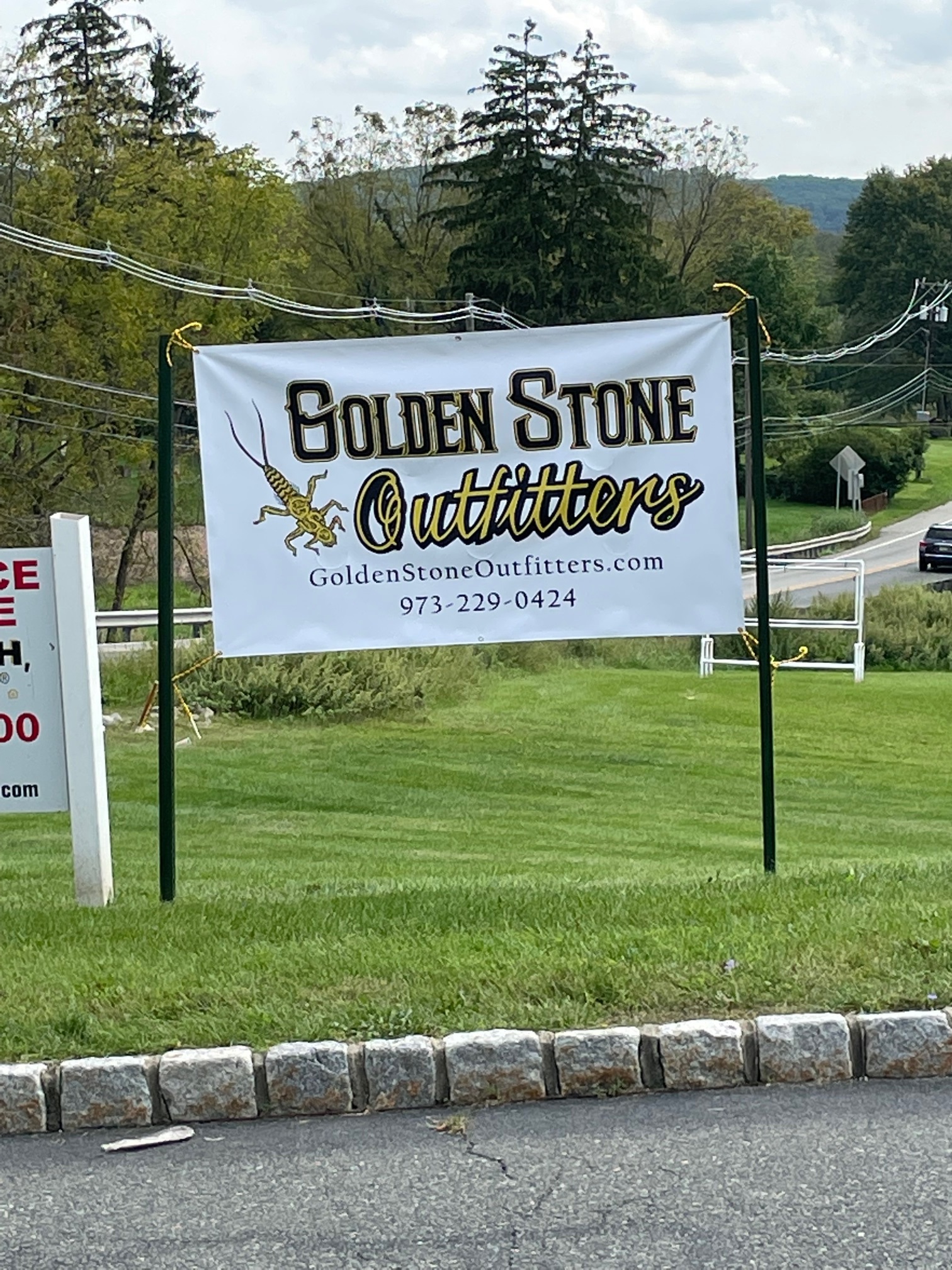
Any business wants to stand out from the crowd and signs help. Carved signs help businesses stand out in a variety of ways. First, amid busy shopping districts where numerous signs vie for attention, a carved sign looks different from and our attention naturally gravitates to what is different. 

In more remote areas, carved signs can differentiate a business sign from road signs, maps and other markers. Travelers and locals alike will more likely equate a carved sign with a business sign as opposed to a sign posted by the highway department. 

Fitting In
While standing out can help attract business, fitting in sometimes becomes important as well, especially in historic or colonial towns, shopping districts, or business districts. These areas attract business and tourists looking for an experience that takes them back to the past.

A modern sign in an historical area makes you stick out in a bad way. Customers will likely not visit you because you don't fit the look and feel of what they expect. Colonial wood signs, on the other hand, show your participation in helping the historic district or colonial town retain it's unique flair.

New Technologies
Wooden carved signs fell out of favor because of their susceptibility to wear and tear from the elements. Sun, wind and rain all take a toll on wood causing cracking, warping and fading. But today's carved signs are no longer made from wood.

Instead, these signs are carved out of a high-density foam. Unlike wood, the foam will not warp, crack or take on the faded and weathered look wood signs generally take on after a few years in the weather. The new materials make the investment in a carved sign more worthwhile for a business since they won't have to replace it every few years.

If you've been looking for a new way to set your company apart, a carved sign or colonial wood sign could be just what you've been looking for. 


Police need a branding program too


police car grapics, vehicle graphics

A police car is an iconic piece of Americana. Most of us can pick a police vehicle out of traffic even without any identification on the car. Seeing a police car can make us feel safer in our neighborhoods, encourage interaction with police officers and discourage crime and criminals. This makes it vital that police vehicle graphics contribute to the effectiveness of a police department by creating a strong brand identity. 

Vendor vs partner...choose a sign company as a member of your team


partnership, Consistency, branding

Brain researchers have definitive proof that working together in teams and collaborating onprojects actually makes us smarter asa species. The very act of solving problems, coming up with newideas and facing challenges causes our brains to grow. What all this science means is we should seek out ways to partner with others because we are better working together than we are apart.

Don't think vendor. Think partner when choosing a sign company.


5 step guide

When it comes to getting the most out of your signage budget, all the steps in our guide are important. But perhaps the number one step you can take to maximize your budget, develop useful signs and build long term brand consistence is to develop a partnership with a reputable sign company. 

Too often, businesses look at their vendors as simply suppliers. You order a product. The vendor delivers it. Done. This may work for your office supplies, but leaves something to be desired for your signage. A partnership means you work together to achieve success. 

Let's explore how to get the most out of this valuable partnership. You can also see the ebook for more information or to start building a partnership with The Sign Center.

Trend Setters and Thought Leaders
A thought leaders is someone you turn to for the latest ideas in an industry. It's someone who keeps up with the latest news and ideas in a specific industry. The sign company you choose should be a thought leader in the sign industry. 

As you choose a partner, ask about the industry.

  • Do they seem knowledgable? 
  • Do you learn new information from them? 
  • Do they keep abreast of new technology and cost-saving materials and processes?
  • Are they forward thinking in terms of providing educational materials around signage?

To get the most out of your signage budget, you want a sign partner who stays ahead of the industry and helps lead it, not a company that lags behind. 

Building Trust
A true partner seeks to build trust with you. A sign company can demonstrate trust in several ways. First and foremost, they will stick to your master signage plan. This shows respect for the work you have done to create guidelines for your signage. 

Secondly, the sign company will be open about their business including their cost structure, the materials they use and their methods for staying informed about sign rules and regulations. You should also find out how they address errors in signage and work to correct problems. 

Professional and Capable
A sign company vendor will interact with several layers of your company. They will work with maintenance professionals to inspect, review and install signage. They will also work with senior level management reviewing brand guidelines, signage proposals and regulatory information.

The sign company you work with will be able to interact with all these groups in a professional manner addressing the specific needs and concerns of each of these groups with the aim of implementing the best signage for your facility possible. 

Regular Reviews
Signage is a job that's never done. Your facility signage needs change all the time. Different regulatory bodies mandate new guidelines on a regular basis. And business often grow, move or make changes that require new signs or make current signs obsolete. 

A signage company acting as a partner should regularly review your signage with you. They will have the ability and vision to assess your signage from several angles including whether or not signs fit into your master plan, serve a useful purpose and meet all regulations. 

Getting the most out of your signage budget takes a plan and takes a partner who can invest in your long term facility success. See our ebook for a step by step guide to maximizing your budget and see how The Sign Center can become your partner.


5 Step guide - How to make your job easier


save money on signageWork smarter, not harder goes the old saying. When you work smarter, your job gets easier, you work more effectively and you get more out of your signage budget. Creating a facility signage plan is key to making your job easier. Another way to make your job easier is to make inspections of your signage on a regular basis so you're ready when it comes time for regulatory agencies to inspect your facility signage. 

Inspections Matter
Many facility managers dread inspections. They feel intrusive, burdensome and unnecessary. However, inspections do matter. The key role of signage is to inform and to make use of your facilities easier for those who use them. 

To that end, they should be useful and intuitive. They must also meet local, state and federal guidelines and requirements. These requirements include:
  • Compliance with the Americans with Disabilities Act (ADA)
  • Proper notification regarding the storage of hazardous materials;
  • Appropriate signage to remain in line with fire safety and evacuation procedures;
  • And many, many more. 

Inspections help facility managers ensure they have the correct signage for the benefit and safety of all people who you use your facility. Great inspections work to build a partnership with buildings and facility managers rather than simply impose punitive damages.

Make Inspections Easier
Inspections do benefit your facility, but that doesn't make them any easier. You can make them easier, though by completing your own inspections, staying on top of current laws and regulations regarding signage, and working with a sign vendor who understands sign regulations. 

Completing your own regular inspections of your signs serves two purposes. First, it helps you regularly assess the quality and usefulness of your signs. You can inspect for damage, vandalism or obstructions that block your signs. Secondly, you can inspect your signs with a "cheat sheet" of sign regulations that inspectors will be on the lookout for and address issues before a formal inspection.

Staying on top of rules and regulations requires regular communication with regulatory bodies. You can do that by getting to know your inspectors, regularly check websites and other publications that govern signage, and creating a network of other facility managers. 

A key strategy to make inspections easier is by working with a vendor who understands regulations. These vendors can even do pre-inspections with you to evaluate your signs in relation to the regulations your local, state and federal impose on your facility.

This year, work smarter not harder by completing your own regular inspections before a formal inspection.


Let's get started...why you need a plan for your signage


Big savings, signage plan

How do most people lose weight? They don't will it to happen and hope for the best. Successful weight loss comes after you develop and stick to a plan of diet and exercise. 

Getting the most out of your signage budget is similar. You have to develop and stick to a facility signage plan that takes into account all the aspects of great signage and helps eliminate the problems you most often encounter with your signs. 

To get started writing a plan, it's helpful to understand why you need a plan in the first place and the key questions to answer. 

Why a Master Plan?
A master plan might sound a little sinister, like something a criminal mastermind would cook up in the lab. But if you think about it, the master plan is what  helps the criminal mastermind achieve his ultimate aims.

With a plan in place, everyone knows what to do, what to expect and they will be less likely to cause problems and delays. It also helps when someone steps outside of the guidelines. You can look back at the plan, revisit the guidelines and make corrections. 

Without a plan, you will experience some of the classic problems with maintaining consistent facility signage — new management looking for a "change," a vendor who doesn't stick to guidelines, or urgent situations trumping the guidelines. 

Building the Plan
You can begin to build your master facility signage plan by connecting with your marketing or advertising departments. These departments often build corporate brand guidelines that govern things like letterhead, business cards and even email signatures. These guidelines should govern your signs as well.

Then, you want to ask some key questions. 

  • Do you have an overall brand guideline to begin working from?
  • Do you have an outline of all the sign "consumers" in your facility and know who interacts with what signs?
  • Do you have a hierarch of visibility mapped out?
  • Do you have a visual map of how the signage guidelines for each group of sign "consumers" are organized?
  • Do you have established restrictions on how much a sign can stray from the guidelines, if at all?
  • Do you have an implementation plan for creating and posting signage?
As you answer these key questions, you are actually developing your facility signage plan. Each question requires forethought and collaboration with key stakeholders like vendors, employees, customers and your signage partner. Developing your plan may also require working with other facility managers and the marketing department of your company. 

Wanting better facility signage and achieving that goal are two different things. A facility signage plan can help you achieve your facility goals, maximize your budget and eliminate signage problems you have experienced in the past. Let's get started writing that plan. 


How to make your signage more useful and intuitive


confusing signsHave you ever seen a sign that needs a sign to explain it to a building's visitors? What about signs that serve no purpose or use to customers? Those signs aren't getting the job done for your facility if no one can understand what the sign indicates or knows why the sign is there in the first place. These signs also waste money in your sign budget.

All signs in a building or facility should be both useful and intuitive for customers, clients and visitors. If a sign doesn't achieve that basic mission, then don't waste your money on the sign. To make signs useful and intuitive, there are four key indicators to help you achieve this goal. 

1. Know Who Will See the Sign
Different audiences call for a different approach to signage. The signs customers and clients need to see vary greatly from those employees need to see. Carefully considering the sign's audience will help you understand what information the sign needs in order to be useful and intuitive to the viewer. This is also a good lens to view current signage in your facility to see if it needs updating. 

If you are unsure who sees what signs in your building, spend some time touring the facility. Spend time in different areas observing who visits that area, what signs already exist and how people react to and interpret signage. This "field data" can yield a lot of information to make signs more useful and intuitive for the people who see the sign regularly.

2. Make Signs Recognizable
Or in other words, make the sign visible. Intuitive and useful signs won't work if people can't see them. As you consider color, size and other sign attributes, keep in mind where the sign will eventually go in a building. Don't choose colors that will blend into the surrounding wall or sizes that are too small for a space. 

Once you have placed signs in your facility, ensure they don't get blocked by plants, doors, file cabinets or other obstructions. Signs no one can see are basically signs that aren't even there. 

3. Use Common Symbols
Creativity is great in some areas of business like marketing and advertising. Signage, though, is one place where you want to stick with what works. Intuitive and useful signs rely on common symbols and icons that customers, clients and visitors can easily recognize and interpret. These include common symbols for restrooms, stairs, disabled access, emergency exits and other commonly visited sites in and around facilities. 

4. Vary Signs for Audience
This "must" for useful and intuitive signs takes into account the different audiences who will visit your facility over the course of a business day. This includes:
  • Vendors;
  • Clients, customers and visitors;
  • Employees;
  • Administrators;
  • And maintenance and janitorial staff.

Signs must also meet regulatory requirements such as for disabled visitors and employees, hazardous materials storage, electrical equipment and other regulated spaces. 

Getting the most out of your signage budget means getting the most out of each and every sign. Make sure your signs don't need signs by ensuring all signage is both useful and intuitive to all who visit and work at your facility.

Download our free 5 step guide on how to save money on your signage budget.


How to get long-term brand consistency in your signage


5 step guideYour company brand is one of your most potent assets as a business. If you leverage your brand asset well and execute your core mission with excellence, you will find success. Your signage is the visual manifestation of your brand and so, you should execute it with excellence so that it represents your brand to the outside world. 

Executing your brand strategy with excellence requires long-term consistency. Everything your company does should fit into your brand guidelines, even your signage. This is easier said than done, however, as companies run into several roadblocks in their efforts to maintain long-term brand consistency. Maintaining cohesive signage, though, is key to getting the most out of your signage budget.

In this step, we'll explore the common problems companies encounter in sticking to their brand guidelines and how to overcome those hurdles. 

Common Signage Hurdles
When it comes to executing your brand in your signage, companies encounter many of the same problems with maintaining consistency: outside influencers, unavoidable situations, and a lack of fidelity to guidelines. 

You have many outside influencers who want to have a say in your signage. These include facility managers who want to have their stamp on a building, vendors who think they know best and employees who act independently. 

Unavoidable situations also crop up regularly. Signs get damaged from weather or vandalism. A new city or county ordinance might require specific signage immediately. When these situations arise, urgency too often trumps brand guidelines. All of a sudden, fidelity to your branding strategy goes out the window. 

Putting Your Brand First
Despite these common hurdles, you can achieve long-term brand consistency in your signage by recognizing these problems and creating plans to address them before they happen. 

Start by identifying three key details for your signage:
  • Brand color — Pick limited and specific colors your signs can include.
  • Brand logos — Identify what versions of your brand's logos will go on signs.
  • And measurements — Determine the specific size of an array of signage so replacement signs and new signs measure the same. 

After you have identified these key details, you need to communicate them to all the stakeholders — your sign vendor, employees and others like building managers. Knowledge is power after all and many lapses in brand guidelines occur because people weren't aware of the guidelines in the first place.

You should also keep the circle of people who can make final decisions on signage small. When fewer people have the authority to order new and replacement signs, the likelihood of errors will decrease.

Execute your brand with excellence and your brand will work for you. Cohesive signage will help you achieve long-term brand consistency, get the most out of your signage budget and leverage this most valuable corporate asset.
If you would like to receive our free 5 Step Guide: How to get the most out of your signage budget just click below.


5 step guide: How to get the most out of your signage budget


5 step guide: How to get the most out of your signage budget

The first thing the public sees of your company is your sign. It's a visual representation of what you do and how you do business. However, it's likely you spend relatively little time actually thinking about your sign. You know it's important, but with the many competing priorities for your attention and your budget, developing effective signage and signage plan guidelines is likely not high on your list. 

However, your signs and helping you maximize your signage budget is our top priority. We have laid the groundwork for you with a five-step guide designed to help you determine your needs, get the most out of your budget, strengthen your brand through signage, and develop clear and consistent signage plan guidelines. 

Step 1: Long-Term Brand Consistency
As you present your brand to your client, you want it to remain consistent across your materials including everything from email signatures to letterhead. Your signage must also work as an extension of your brand consistency. Developing signage plan guidelines and anticipating scenarios that could disrupt those guidelines will better prepare you to stick to brand when it comes to signage. 

Step 2: Developing Useful and Intuitive Signage
A sign informs, directs and identifies. If it doesn't do these things well, then it isn't living up to its obligations. Effective signage ensures all signs remain useful for a variety of audiences and allow the intended audience to read the sign intuitively. 

Step 3: Getting Started
Step 1 and 2 help you set goals for your signage. Step 3 gets you started developing your master signage plan guidelines. Having a plan will help you stick to a plan. You begin to develop the plan by walking through a checklist of the elements of a facility signage plan. If you answer no to any of the questions, you need a better plan. 

Step 4: Make Your Job Easier
Don't we all want to make our jobs easier? When it comes to effective signage, you can make your job easier by working with a reputable sign company. The benefits include faster inspection times, strict adherence to compliance regulations, and more cost effective signage. 

Step 5: Build a Partnership
You have set goals for your signage and developed a signage plan and now it's time to get signs made. Continue your commitment to your signage and look for a partner who can help you execute your plan fully and with fidelity. At this stage, many companies simply look for a vendor that can deliver a product. A partner becomes invested in your success and works to help you achieve your goals. Whereas a vendor simply creates a product and collects payment. 

Your signs should matter in your overall approach to helping your business succeed. Get the most out of your signage budget by following this five step guide. Better signs can help you be a better business. 

If you would like a free copy of our 5 step guide: How to get the most out of your signage budget just click the button below.


Custom police car graphics


cop car graphics, vehicle graphics

Since the first fire engine and the first police car, it has become increasingly important for emergency vehicles to bear graphics that distinguish them from vehicles around them. When it comes to police cars, this necessity is taken to a new level.

One of the daily challenges that a police officer faces is embodying a persona that reflects confidence and authority, and not just on the road. To be fair, the law of the road is to pull over to any sirens you hear behind you or approaching you from the front, but generally when you look in the rearview mirror, there is no mistaking a cop car for a fire engine.

In terms of representing authority, uniformity in quantity goes a long way, so to say that the graphics on a single police car become instrumental in weaving a picture of authority would be unfair. The same graphics repeated on the same make and model vehicle, however, do accomplish that.

Another reason that the graphics on a police car are so important is because police need to distinguish themselves for emergency reasons. Getting pulled over is one thing. Needing to locate a cop to file a report in an emergency situation is another. By their distinguishing qualities, the graphics on a police car provide a sense of comfort to the community by representing a presence of protection.

The presence of a police vehicle can be as comforting as it can be unnerving. Nobody likes to see a cop in the rearview mirror, but cops are on constant security detail, and special detail. Think back to the last time you saw a cop leading a funeral procession. Because of the graphics on the cruiser, the start of the procession was easily identifiable. More often than not, if there is a cop in the front of the procession, there is a cop in the back, signaling the end of the procession. In this regard, the presence of police vehicles lends a sense of comfort to those who might be searching for it.

Finally, the graphics on police vehicles, in their replication through different towns, identify one town’s police vehicle from another. Because they are easily distinguished from one another, jurisdiction issues are made clear, leaving more time for collaboration.

However you choose to view the graphics on police cars, it is important to note, ultimately, that what they represent is safety, protection and service.


All Posts
Samples

Business Solutions
Commerical Signs
Poperty Managers
Franchise Solutions

 
Contact
5 Russo Place
Berkeley Heights
New Jersey 07922

Phone: 908 464 1700
Email: info@thesigncenter.biz